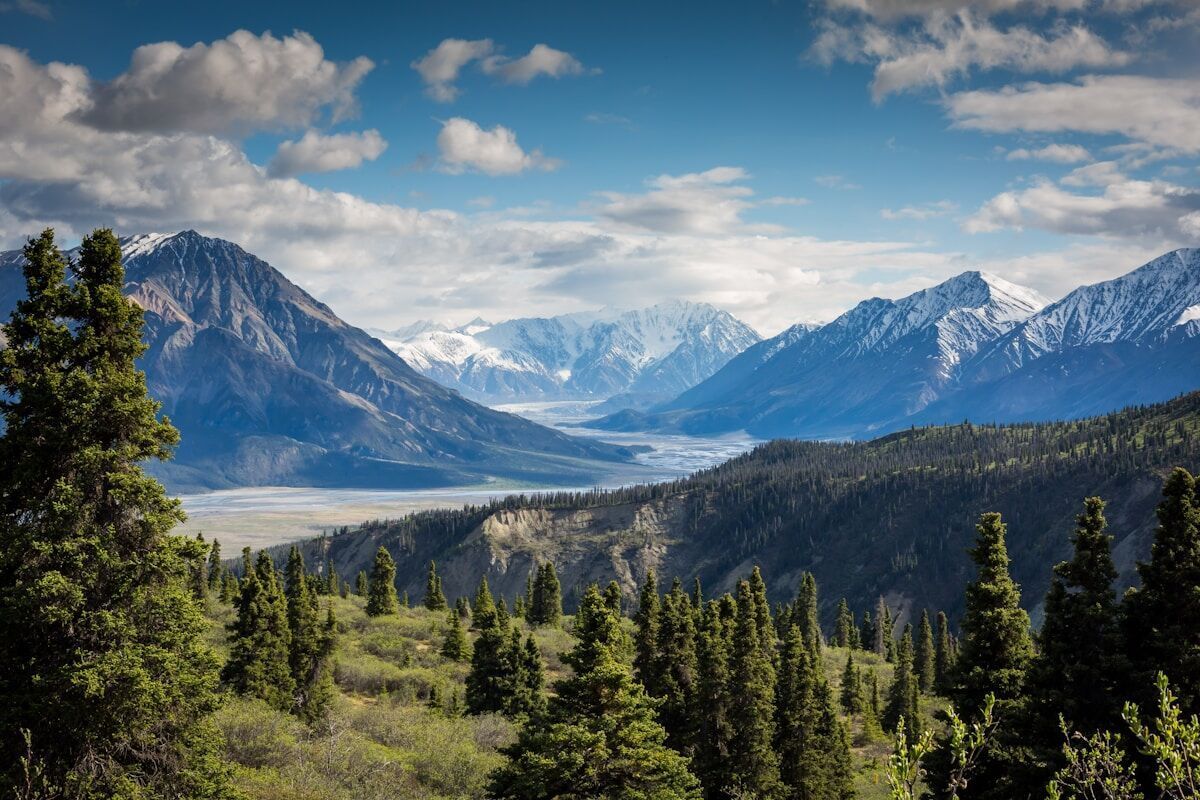
In the shadow of the Cangshan Mountains, true luxury is not measured in marble and gilding, but in the slow grain of age
“The mountain does not charge rent for the mist, Sam, but the wild mushrooms demand your entire morning.”
Master Lin set down his cracked celadon cup, its glaze spiderwebbed with ten years of dark tea stains. Outside the double-height glass doors of my rented courtyard house in Xizhou, dawn was dissolving the blue fog over Erhai Lake. A single beam of early sunlight struck the unlacquered walnut dining table, illuminating tiny floating motes of hearth dust and the delicate steam rising from a bowl of freshly simmered pea shoots.
In Yunnan, luxury reveals itself not through gloss or ostentation, but through texture, light, and the quiet luxury of unhurried days. Living here long-term is an exercise in intentionality. It is the art of buying back your time within space that breathes. Over the past six months, I have refined what it costs to live effortlessly in this southwestern corner of China—where Western minimalism meets the weathered, imperfect beauty of ancient Bai architecture.
### The Sanctuary: USD $2,600 / Month
The foundation of a long-stay in Yunnan is the dwelling. For RMB 18,000 (roughly $2,600 USD) a month, I lease a contemporary adaptation of a traditional Bai three-courtyard residence nestled at the edge of the rice fields outside Dali.
The structure retains its hand-mortised pine beams, dry-stacked volcanic slate flooring, and lime-plastered walls that cool the afternoon heat. Modernity hides discreetly within the wood: concealed underfloor heating, floor-to-ceiling double-glazed panels framing the dramatic rise of the Cangshan Range, and a minimal kitchen fitted with matte black steel and grey travertine.
Unlike standard rentals, this budget secures a fully serviced private estate. It includes bi-weekly deep cleaning by an indigenous Bai woman named A-Mei, who replaces the wild floral arrangements in stoneware vases every Tuesday, and full property maintenance to ensure the timber and stone age gracefully without maintenance friction.
### Nourishment & Table: USD $900 / Month
Eating well in Yunnan is an organic, highly sensory ritual. My kitchen budget covers daily visits to the local morning market—where local women in embroidered headpieces sell hand-picked matsutake mushrooms in late summer, freshly pressed yak cheese wrapped in bamboo leaves, and crisp winter greens harvested from mountain terraces.
For roughly RMB 6,500 ($900 USD) a month, this allocation includes:
* **Daily Market Purchases ($400):** Organic heirloom vegetables, wild mountain fungi, free-range black chicken, and fresh walnuts.
* **Private Chef Services ($350):** Three days a week, a local cook prepares clear, nourishing highland broths, steamed fish infused with lime leaf and wild ginger, and fragrant claypot rice.
* **Pantry Essentials ($150):** Cold-pressed rapeseed oil, hand-fermented chili pastes from Jianshui, and artisanal stone-ground tofu.
There is a deep contentment in dining off unglazed stoneware, tasting food that was still rooted in the damp earth four hours prior.
### The Daily Rituals: Tea, Craft & Quiet Access: USD $550 / Month
To live in Yunnan without engaging in its tea culture is to miss its pulse. A dedicated monthly fund of RMB 4,000 ($550 USD) sustains the slow acquisition of local craftsmanship and aged tea.
This budget covers two cakes of vintage Sheng Pu-erh sourced directly from smallholder tea trees in Menghai, as well as fuel and small honorariums for visits to local artisans—potters in Jianshui hand-turning red clay, or weavers in Shaxi working natural indigo dyes into heavy linen. It also covers my open-door account at a quiet, tea-centric reading room overlooking the slate roofs of the village, where I spend my mid-afternoons writing as rain taps against the paper window screens.
### Mobility & Connectivity: USD $450 / Month
True ease requires invisible logistics. For RMB 3,200 ($450 USD) a month, I retain a private electric vehicle lease—a understated, matte-grey SUV ideal for navigating mountain roads toward highland monastery hikes—alongside a reliable private driver for long transfers down to Kunming or up to Shangri-La.
This includes high-speed fiber internet routed seamlessly through hidden conduits, ensuring uninterrupted connection for long-form work while listening to the wind sweep through the courtyard's bamboo grove.
### The Ledger of Balance
At the end of thirty days, the total investment sits near **USD $4,500**.
In London, New York, or Tokyo, such a sum secures a compact, modern apartment enclosed by concrete and distant sirens. In Yunnan, it buys an expansive life anchored by nature, silence, and spatial harmony.
As the sun slipped behind the Cangshan peaks, casting long plum-colored shadows across the cold grey slate, I closed my leather-bound notebook. The value of this residency isn't found in what is accumulated, but in what is cleared away: noise, urgency, and excess. Here, the month leaves you not depleted, but settled—like tea leaves gently resting at the bottom of an aged clay pot.
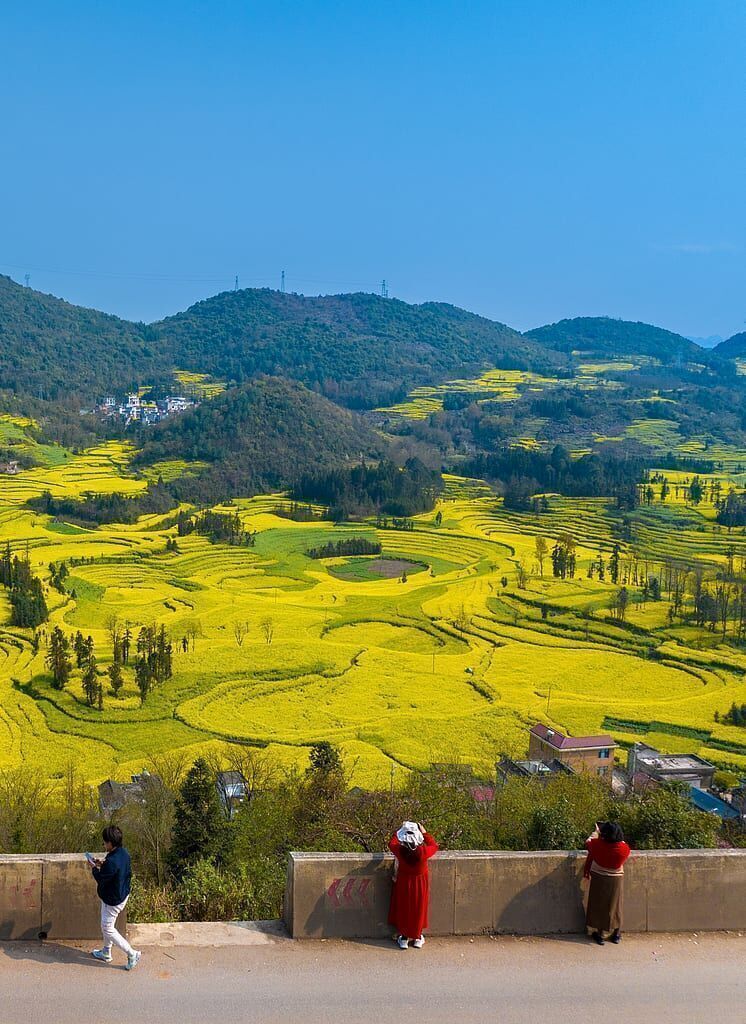

读过之后,想来住几天吗?
朴归山居 · 云南升官屯 — 22°C 的东方侘寂旅居。
相关阅读
The Quiet Luxury of Yunnan: Where Wabi-sabi Meets Western Minimalism(云南旅居)
Beyond the crowds of Dali, a hidden valley in Yunnan unfolds
Yunnan's Hidden Glamping Paradise: Where Wabi-Sabi Meets Western Minimalism(云南旅居)
Among Yunnan's mist-wrapped mountains, a new breed of wilder
Wabi-Sabi and the Wired Life: A Digital Nomad's Yunnan(云南旅居)
In the mist-wrapped mountains of Yunnan, ancient Chinese imp