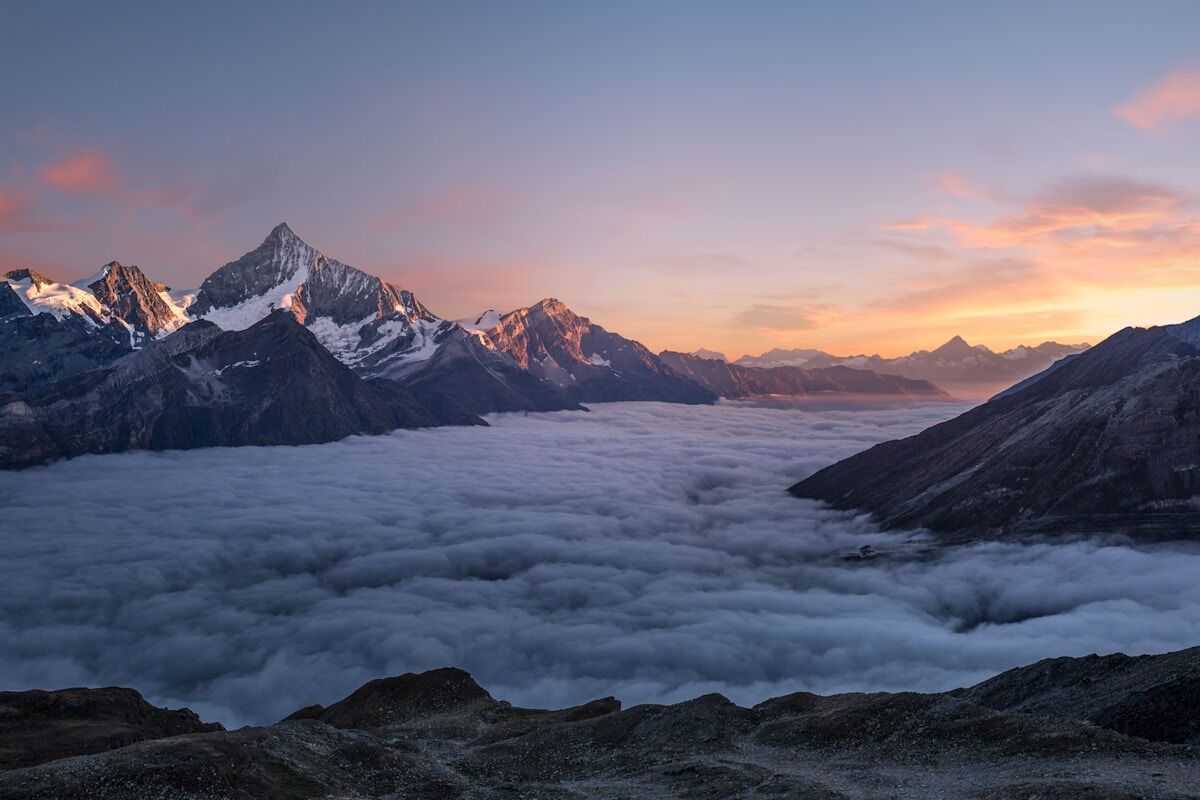
There's a particular restlessness that sets in after too many Zoom calls. Shengguantun gets it. This small hamlet in Qujing offers the rare thing most of us are chasing: a place to breathe deeply, move slowly, and — if you must — work with a view of rice terraces instead of a blank wall.
There's a particular restlessness that sets in after too many Zoom calls. Shengguantun gets it. This small hamlet in Qujing, Yunnan, offers the rare thing most of us are chasing: a place to breathe deeply, move slowly, and — if you must — work with a view of rice terraces instead of a blank wall.
Pugui Pastoral Resort has quietly designed a countryside experience that flexes for both offline dreamers and online workers. Mornings are unscripted. Walk barefoot across cool courtyard stones, do yoga on a wooden platform facing a bamboo forest, or take a wok cooking class using vegetables pulled from the garden 20 minutes earlier. The farm-to-table food here is simple, clean, and mostly vegetarian-friendly — just tell the kitchen what you need.
If you're a digital nomad in China, you'll appreciate the details: reliable Wi-Fi in rooms and common areas, multiple quiet corners that work as impromptu desks, and excellent coffee (a welcome surprise in rural Yunnan). When your brain needs a reset, swap the laptop for a tea ceremony with a village elder, or hike a pine-scented trail to a hilltop pagoda.
Accommodation is kept deliberately small-scale. Thick stone walls keep rooms naturally cool during the day; at night, the mountain chill invites you under a duvet. No traffic, no sirens — just a chorus of frogs and crickets that somehow lulls you into the deepest sleep you've had in months.
This is slow travel Yunnan at its most restorative. It doesn't demand you switch off completely, but it makes you want to. And that might be the whole point.

Share Your Thoughts
Have you ever experienced a farm stay in China? Share your thoughts in the comments below!
Join the Discussion →Ready for a stay?
Pugui Mountain Retreat — wabi-sabi living at 22°C.
Related Reading
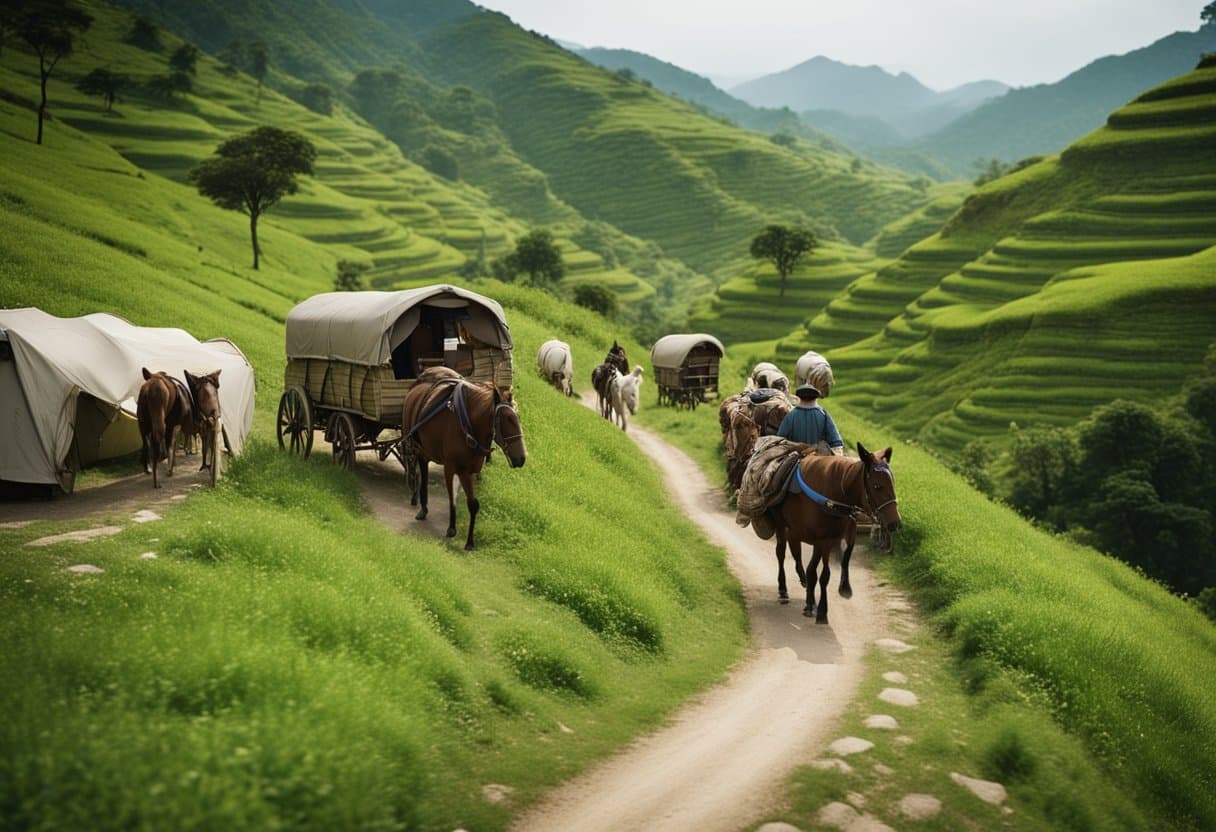
The Tea Horse Road: Last Memories of the Caravans
Following thousand-year-old hoof prints into the Hengduan Mo
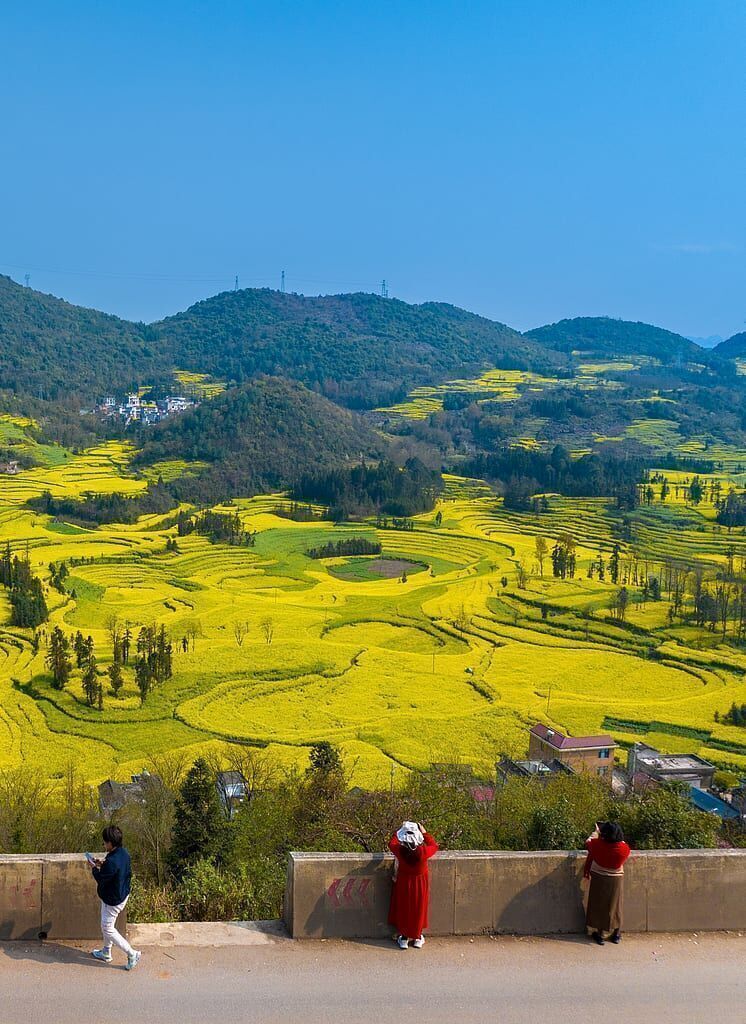
Qujing: Summer Healing at the Source of the Pearl River
Year-round 15°C coolness, the pure source of the Pearl River
Lijiang: A Summer Retreat in the Naxi Kingdom
Coolness at 2,400 meters, the mystery of Naxi Dongba culture